Installation & Service

"Step-by-Step
Installation: We
Handle Everything for You."

From the first site visit to the day your inverter is energized, GSM Solar follows a documented sequence-so quality, safety, and clarity stay consistent whether the system is 5 kW or 500 kW.

We Provide Timeline Survey to installation stages Site Survey Detailed inspection & measurements Safety Protocols, isolators & earthing checks Your Role Approval & decision-making points Handover Final installation & documentation Project Inquiry Customer request & feasibility Design Proposal System layout & cost

Stage-wise delivery

Simple 8-steps from plan to running system

Each phase has clear inputs, outputs, and responsible teams. Delays—usually DISCOM approvals or weather—are communicated with revised dates.

1

Kickoff & documentation

We align on goals (bill reduction, backup, pumping, etc.), collect past electricity bills, and confirm land/roof access. A single point of contact is assigned for your project.

2

Technical site survey

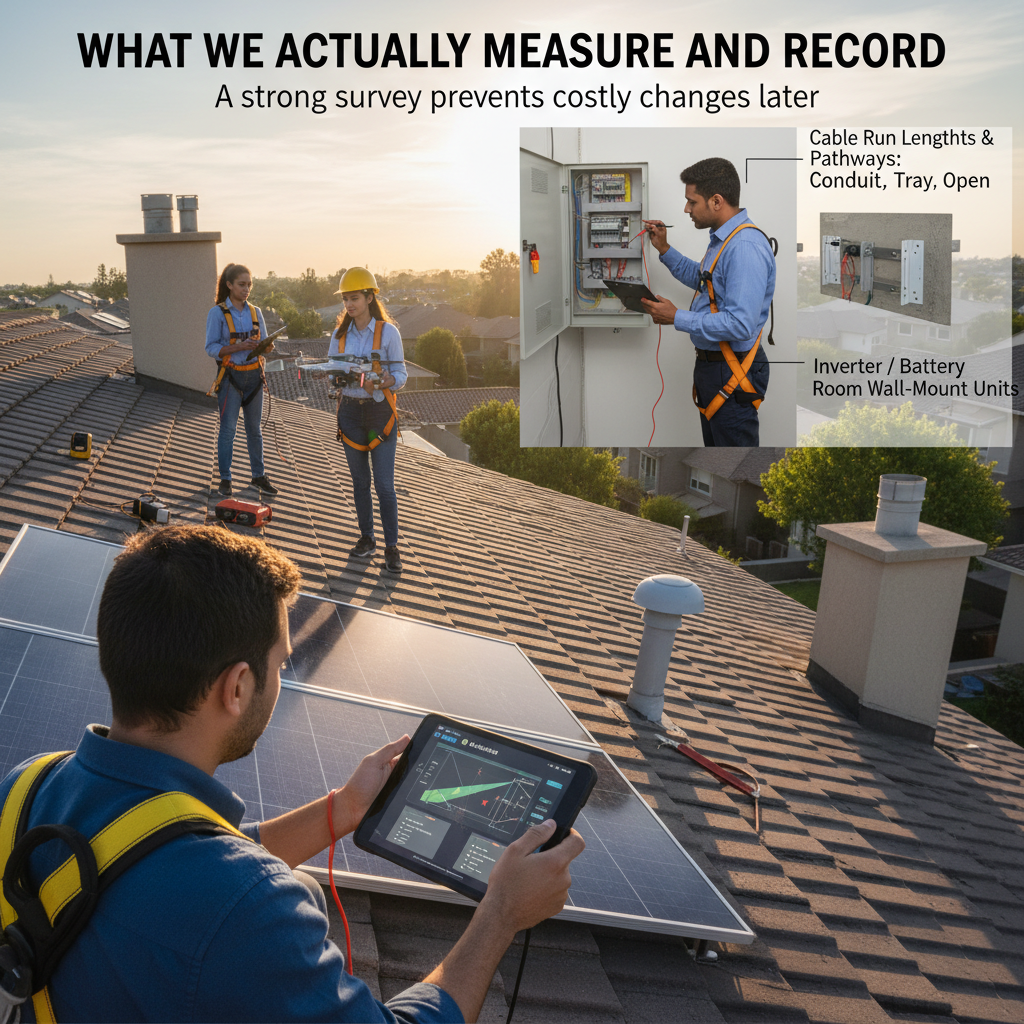
Roof or ground measurements, structural sanity check, shading study, cable routing paths, and inverter/battery location. Photos and notes feed directly into the design file.

3

Engineering & proposal

String design, module layout, inverter sizing, protection ratings, and loss assumptions. You receive a transparent BOQ with milestones and payment schedule tied to progress.

4

Approvals & procurement

Net metering / CEIG / DISCOM applications as applicable. Material is ordered against approved drawings; serial numbers are reserved for your dossier.

5

Civil & mounting

Rails, clamps, and penetrations follow the structural plan. Waterproofing details are respected on RCC roofs; ballast designs are used where drilling is not allowed.

6

DC & AC electrical works

DC combiner / string boxes, fuses, surge protection, earthing, ACDB, and inverter termination. All cables are sized for voltage drop and temperature derating per design.

7

Testing & commissioning

Insulation resistance, polarity, open-circuit checks, and inverter parameterization. Grid synchronization (or off-grid/hybrid configuration) is verified before formal energization.

8

Handover & training

As-built drawings, warranty cards, serial log, and a short O&M briefing (monitoring app, cleaning cadence, who to call). AMC options are optional from this point.

Site survey depth

What we actually measure and record

A strong survey prevents costly changes later. Our team captures both electrical and physical reality so the design fits your roof, your loads, and your utility rules.

  • Available area, tilt/azimuth options, and obstacle shading windows
  • Consumer phase, sanctioned load, and backup expectations (for hybrid/off-grid)
  • Cable run lengths and pathways (conduit, tray, or open)
  • Inverter / battery room ventilation and wall strength for wall-mount units
Solar installation on site

Photo log at every visit

Pre-install, mid-install, post-install
Checkpoints before we call a phase “done”

Mounting

Torque checks, rail continuity, and waterproofing at penetrations (where applicable).

DC side

MC4 crimps, string voltages under STC expectations, and DCDB labeling.

AC & protection

ACDB breakers matched to design, earthing continuity, and inverter grid parameters.

Signage

DC hazard labels, emergency isolation instructions, and contact numbers on site.

Performance baseline

Initial generation band communicated so you can compare month on month.

Customer walkthrough

You see isolator positions, app login, and who to call for service.

Safety & compliance mindset

Electrical safety is not optional

We design and install so firefighters, utility staff, and your family can understand how to isolate the system. Exact norms depend on state DISCOM rules—we bake those into the drawing set.

DC isolation

String-level disconnection points for maintenance, clearly marked and accessible.

Earthing

Module frames, structures, and AC/DC equipment bonded per design—especially important in lightning-prone areas.

AC protection

SPD and breaker coordination sized for your sanctioned load and inverter output.

Documentation

Single-line diagrams and test reports kept in your handover pack for audits or resale.

Your responsibilities vs ours

Clear roles keep the schedule tight and avoid rework.

You (customer)

  • Rooftop/land access during agreed slots
  • Timely bill copies and ID proofs for applications
  • Payment milestones as per signed proposal
  • Designated electrical “knows the panel” person for handover

GSM Solar

  • Design, BOQ, and change control if site conditions differ
  • Safe execution, tools, and trained crew
  • Coordination with DISCOM / third-party inspectors
  • Commissioning, testing records, and warranty registration support

Estimated time based on project size

Excluding unusual DISCOM delays. Hybrid and battery systems typically add procurement and configuration time.

Scale Example Survey → install Notes
Residential3–10 kW3–6 weeksNet metering paperwork often drives the tail
Commercial20–100 kW5–10 weeksCrane/lift days, roof load tests if needed
Industrial / large100 kW+8–16+ weeksHT/LT panels, CEIG, staged energization
Solar pumpHP-based2–5 weeksBore readiness and pipework coordination
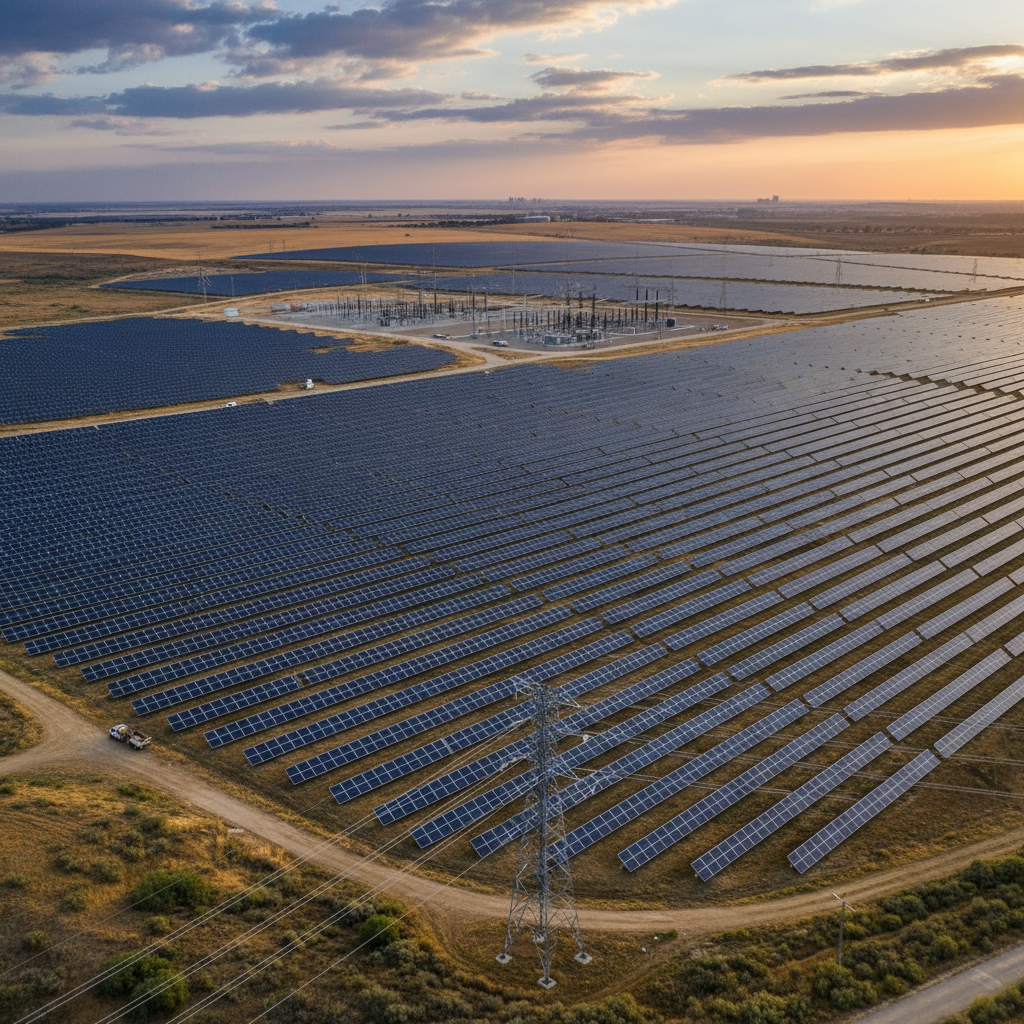
Completed rooftop solar array

Handover pack

What you receive on day one

  • 01As-built layout and string numbering
  • 02Module & inverter warranty cards with serial list
  • 03Test reports (insulation, polarity, commissioning)
  • 04Quick-start guide: monitoring app, cleaning, emergency shutoff
See real projects in the gallery →

Installation FAQs

Do I need to be home for the full install?

Someone with access to the roof, meter, and inverter location should be available for key milestones—typically not the entire duration.

What if my roof needs minor repairs first?

We flag it in the survey. Waterproofing or sheet fixes should be completed before rail drilling to protect your home and warranty.

Who applies for net metering?

GSM Solar prepares and files documentation as part of the EPC scope in most on-grid projects; customer signatures and utility fees may still be required locally.

Ready to book a site survey?

Share your location and a recent bill—we will propose the next steps and a realistic timeline.